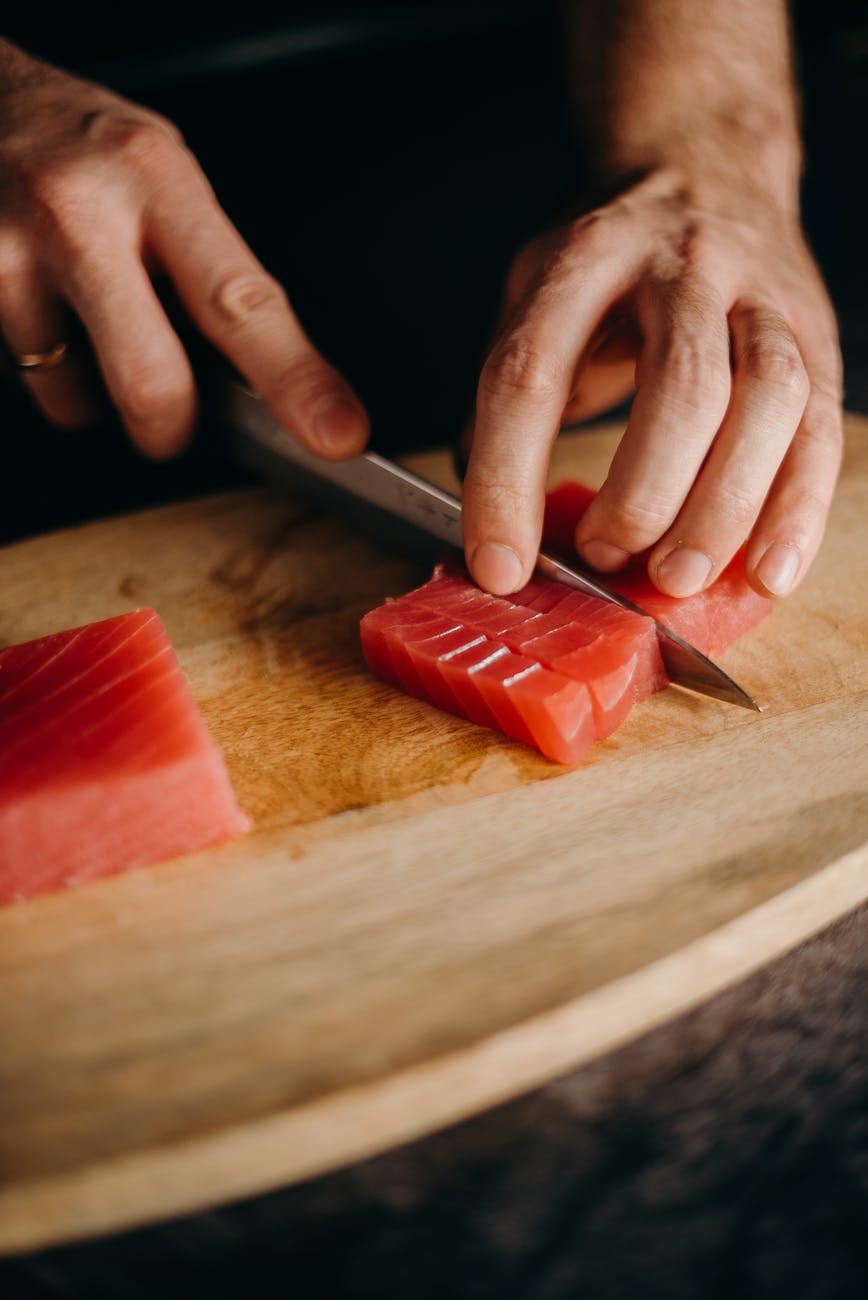
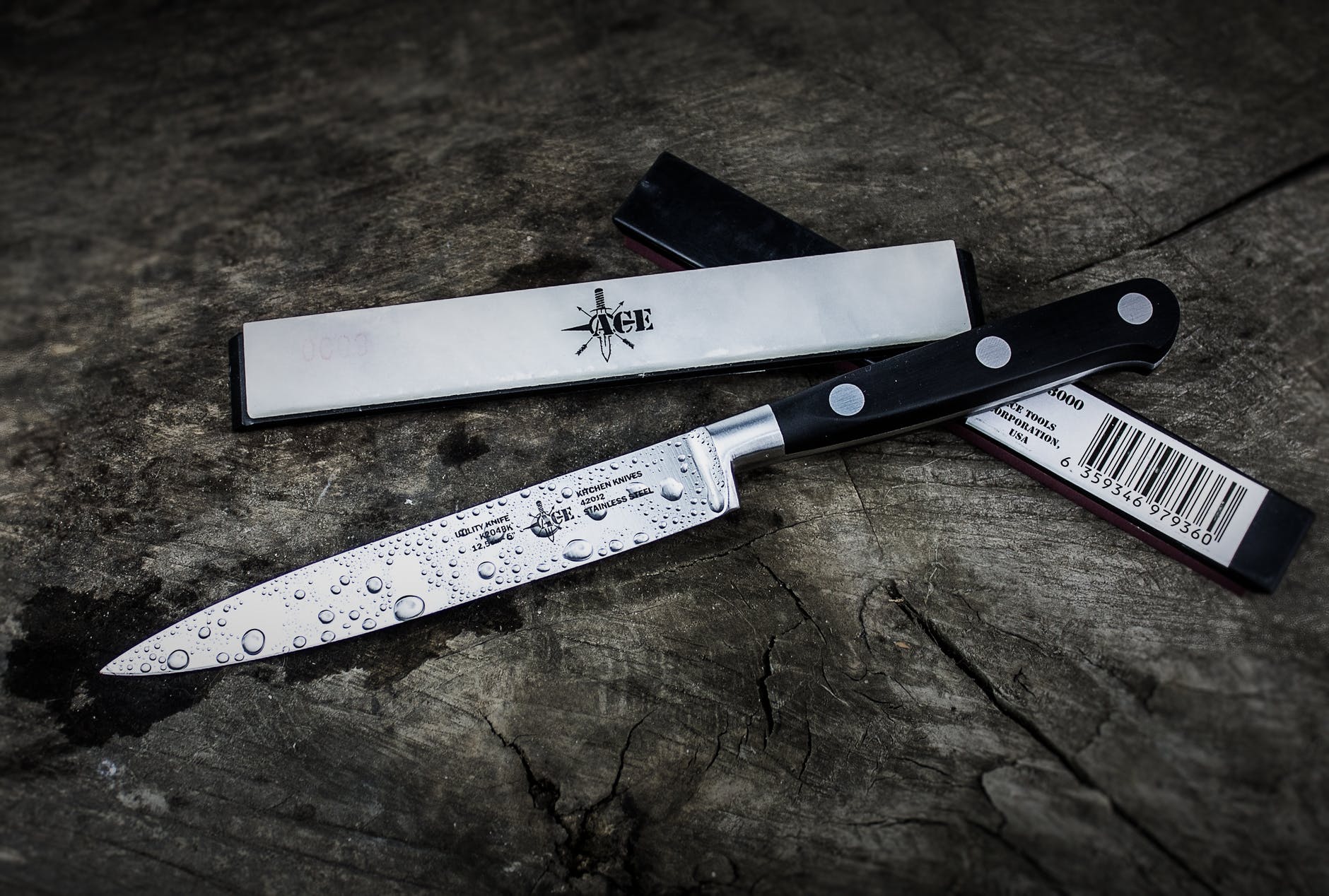
Knife sharpening is a handicraft skill that requires much practice and honing to master. If you want to learn sharpening techniques, there are some steps you can follow systematically, including:
- Buy and learn about sharpening tools and materials, including whetstones, grinding wheels, saws, and more.
- Learn the basic principles and methods of knife sharpening, including blade angle, cutting direction, etc.Learn the basic principles and methods of knife sharpening, including blade angle, cutting direction, etc.
- Get hands-on with guidance from professional craftsmen, including master knife makers on YouTube. Beginners can start with simple knives, such as spatulas and table knives, and gradually increase the difficulty.
- Through continuous practice, honing technique, improving accuracy and speed. Experiment with different whetstones and sharpening methods to find the technique that works best for you.
- Check your knives regularly to maintain the sharpness of your blades. The knives will wear out during use and need regular grinding and maintenance. In addition, the surface flatness of the whetstone also needs regular attention.
The knife-sharpening technique requires patience and perseverance, and it takes a lot of practice to become proficient. Through continuous operation and training, you can improve your sharpening skills and bring more convenience to your daily life and work.