Tag: Food

  • Why do all food testing reports show “quantitative limit”

    Why do all food testing reports show “quantitative limit”

    In food testing reports, the “quantitation limit” generally refers to the lowest concentration that can be detected using the method of analysis employed. This value is often determined by the precision and sensitivity of the analytical instrument and the accuracy and precision of the testing method.

    In food testing, the quantitation limit typically refers to the lowest concentration that can be detected using the method of analysis employed, rather than the actual minimum concentration of the substance present in the food. This is because the testing method itself may have some degree of error, or because the precision and sensitivity of the analytical instrument limits the ability to detect lower concentrations of the substance.

    Therefore, if the quantitation limit value shown in a food testing report is lower than the actual concentration of the substance present in the food, it may indicate that the testing method may not be sufficiently accurate or sensitive, or that the substance is not present in the food for some reason.

    It is important to use specialized methods and instruments for food testing and to ensure the accuracy and precision of the testing method in order to provide reliable information in food testing reports and to help ensure the safety of food.

  • What are the health supplements of vitamin D?

    What are the health supplements of vitamin D?

    A nutritional issue related to physical health is about “How many ways are there to supplement vitamin D?”

    In order to supplement the vitamin D needed by the body, in addition to supplementing the food ingredients through eating and drinking, it can also be synthesized by the human body.

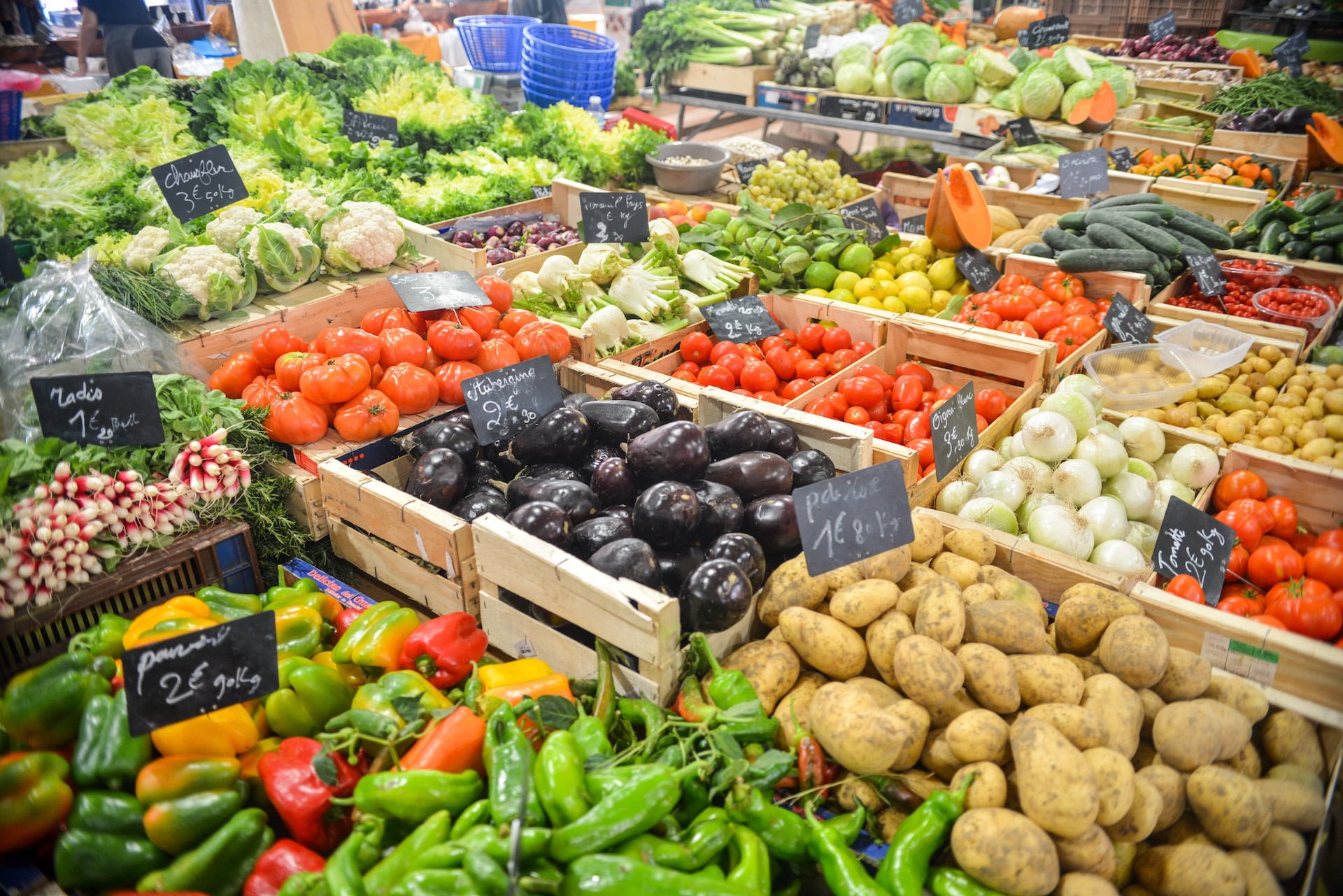
    In the diet part, in addition to health foods with special vitamin D, the ingredients contained in natural foods can also provide the nutrients needed by the body, including the following foods:

    • Vitamin D3: salmon, tuna, mackerel, sardine, egg yolk, cheese.
    • Vitamin D2: mushrooms, black fungus, shiitake mushrooms.

    In addition, if you want your body to synthesize vitamin D on its own, the method is actually very simple! As long as the body is exposed to sunlight for 10 to 15 minutes every day, the human body can synthesize the vitamin D it needs.

    According to medical reports, the most suitable time for sun exposure is between 10 am and 3 pm every day. Just let the face, arms, legs or back be exposed to the sun for 10-15 minutes to synthesize it in the body. But be careful not to get sunburned if it is too hot in summer. You can change to sunburn before nine o’clock in the morning and after three o’clock in the afternoon.

    It should be noted that if there are special diseases, menopausal women, children, the elderly and lactating women, it is recommended that vitamin D supplementation requires professional advice from a doctor or pharmacist.

  • How many mop does a family of four have to bring to Macau for 4 days and 3 nights?

    How many mop does a family of four have to bring to Macau for 4 days and 3 nights?

    The question of today's travel @issue is about "how many mop is to be brought by a family of four to play the Macao Special Administrative Region of China for 4 days and 3 nights?」

    If it is a family of four travel to the Macao Special Administrative Region (MACAU), not a gambling money, carrying 10,000 mop is almost more than enough.According to the current MOP exchange rate (January 2019), it is almost 38201 yuan, on average, one person spends about 9550 yuan.

    Take the Otto Buffet in the center of Sands City, Macau, for example, 1 people for dinner is about 1300 yuan, and if it is Wynn Palace or Marriott, 1 people for dinner is about 2000 yuan.

    If you focus more on the pleasure process, meals have to eat high-level dishes, then the proposal can be carried to 30000 mop, that is, NT $114603, will not be afraid of enough.

    Of course, if you want to gamble to try luck, swipe more quickly.

  • Steamed Bread Nutritional Ingredients Table

    Steamed Bread Nutritional Ingredients Table

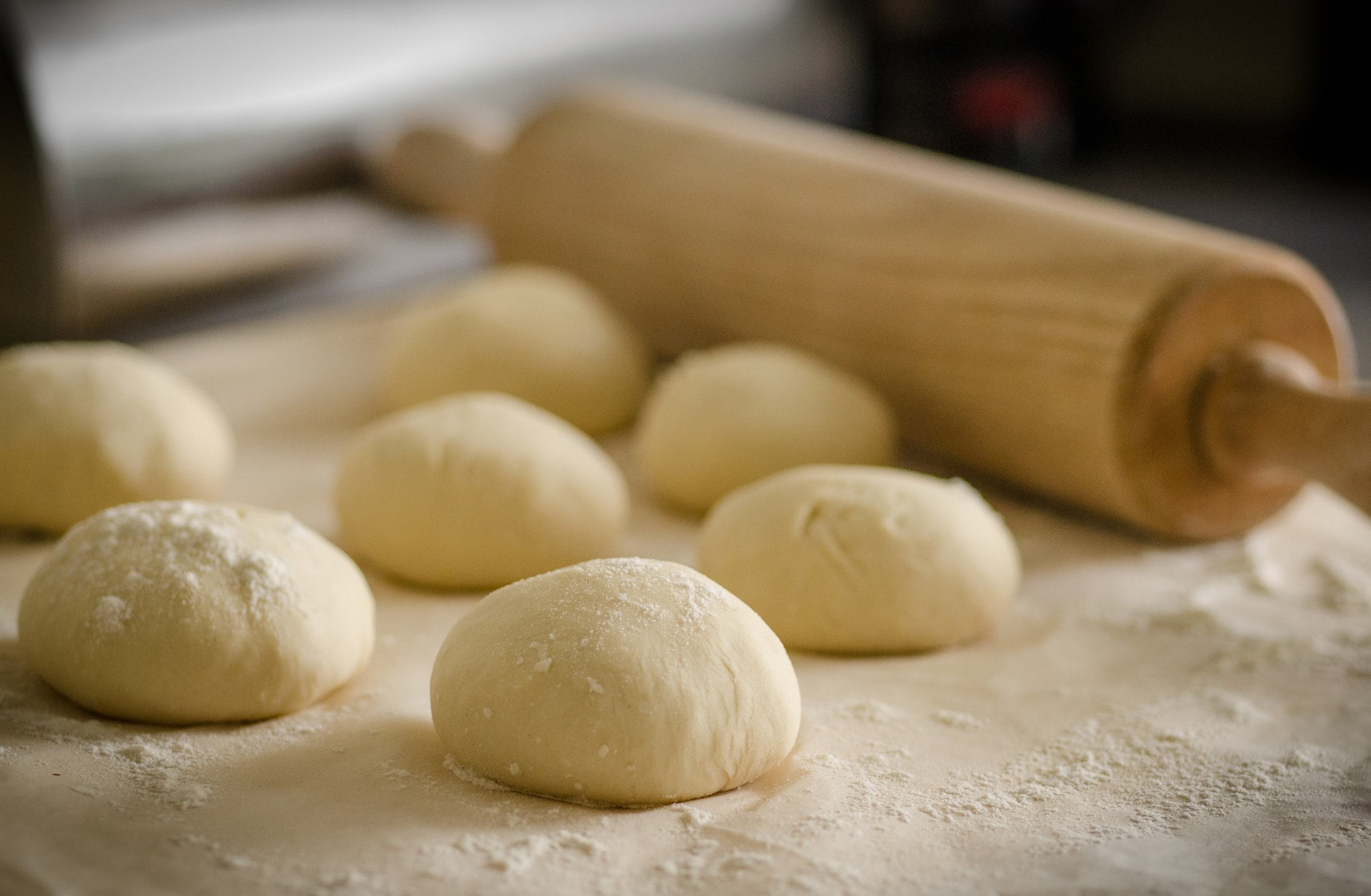
    Steamed bread is a traditional Chinese pasta, with flour and water proportionally mixed fermentation after the steamed food.North China is called Potato, Guanzhong, Zhongyuan and other places called steamed bun, Jin language, Fujian dialect area called steamed bun and so on.It is usually hemispherical, cuboid, size from about 4 cm in diameter to 15 cm in diameter Zoga.Among them, no stuffing steamed bread is the staple food of northern Chinese people, the most familiar is Shandong big steamed bread.

    Steamed Bread Nutritional Ingredients Table

    The edible part of steamed bread is 100%, and the nutrition of each 100g steamed bun is as follows:

    • Moisture: 43.9 G
    • Energy: 223 kcal
    • Protein: 7 g
    • Fat: 1.1g
    • Carbohydrates: 47.0 g
    • Insoluble fibers: 1.3g
    • Cholesterol:-
    • Ash: 1.0 g
    • Total Vitamin a:─
    • Carotene:-
    • Retinol:-
    • Thiamine: 0.04 mg
    • Riboflavin: 0.05 mg
    • Nicotinic acid (VB3):-
    • Vitamin c:─
    • Total Vitamin e:0.65 mg
    • Vitamin E (Α-E): 0.35 mg
    • Vitamin E (Β+Γ-E): 0.30 mg
    • Vitamin E (Δ-E):-
    • Calcium: $ mg
    • Phosphorus: A-. MG
    • Potassium: 138 mg
    • Sodium: 165.1 mg
    • Magnesium: MG
    • Iron: 1.8 mg
    • Zinc: 0.71 mg
    • Selenium: 8.45μg
    • Copper: 0.1 mg
    • Iron: 0.78 mg